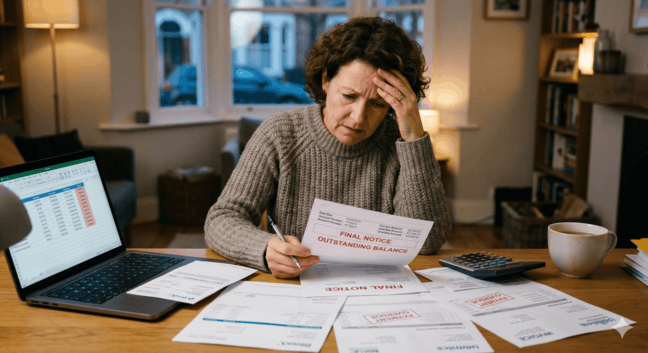
An outstanding finance check reveals whether a vehicle still has an unpaid HP, PCP or lease agreement registered against it. If you buy a car with outstanding finance, the lender — not the seller — retains legal ownership, and can repossess the vehicle from you.
- How car finance works in the UK (HP, PCP, lease)
- What happens if you buy a car with outstanding finance
- How to check for outstanding finance
- What to do if finance is found
- Frequently asked questions
How car finance works in the UK
Most used cars sold in the UK were originally purchased on some form of finance. Understanding the three main types helps you appreciate why an outstanding finance check matters.
Hire Purchase (HP)
Under a Hire Purchase agreement, the finance company buys the car and you make fixed monthly payments over an agreed term. Crucially, the lender holds legal title to the vehicle until you make the final payment. Only once every instalment has been paid does ownership transfer to you. If a seller still has HP outstanding, they do not legally own the car and have no right to sell it.
Personal Contract Purchase (PCP)
PCP follows the same legal structure as HP: the finance company owns the car throughout the agreement. Monthly payments are typically lower because a large "balloon" payment is deferred to the end. At the end of the term the buyer can pay the balloon to take ownership, return the car, or use any equity as a deposit on a new deal. Until that final balloon payment is made, the lender remains the legal owner.
Lease / Contract Hire
With a lease or contract hire, the vehicle always belongs to the finance company. There is no option to purchase at the end — the car must be returned. A leased vehicle should never be offered for private sale, and buying one would leave you with no legal claim to it at all.
The Hire Purchase Act 1964 exception
Under Part III of the Hire Purchase Act 1964, if you buy a car that is subject to an HP or conditional sale agreement from a private seller, and you purchase it in good faith without knowledge of the outstanding finance, you may acquire good title to the vehicle. This protection does not apply if you buy from a motor trader — in that case, the finance company retains its rights. However, relying on this defence is complex, costly and often requires court proceedings. It is far safer to check for finance before you buy rather than attempt to enforce your rights afterwards.
What happens if you buy a car with outstanding finance
Buying a car with outstanding finance can result in serious financial and legal consequences. Here is what you could face.
How to check for outstanding finance
Checking whether a car has outstanding finance is straightforward once you understand where the data comes from and who holds it.
The DVLA does not hold finance data
A common misconception is that the DVLA records whether a car is on finance. It does not. The DVLA holds registration and keeper data, but finance agreements are private contracts between the lender and the borrower. Finance information is not part of the V5C logbook or any DVLA database.
Where finance data comes from
Finance markers are recorded by credit reference agencies (such as Experian and Equifax) and specialist finance industry databases. When a lender issues an HP, PCP or lease agreement, they typically register the vehicle on these databases. A vehicle history check service queries these records using the vehicle registration mark (VRM) and returns any active finance agreements found.
Free checks usually do not include finance
Free vehicle checks — including the DVLA's own online services — typically cover MOT status, tax status and basic registration details. They do not include finance data because accessing the finance databases incurs a cost. If you want to check for outstanding finance, you will generally need a paid vehicle history report from a provider that queries finance records as part of the check.
What to do if finance is found
Finding finance on a vehicle you want to buy is not necessarily the end of the deal, but it does require careful handling. Follow these steps to protect yourself.
FAQs
Can I check for outstanding finance for free?
Free vehicle checks from the DVLA and other sources cover MOT, tax and basic registration data but do not include finance records. Accessing finance databases costs money, so a finance check is almost always part of a paid vehicle history report.
Is it illegal to sell a car with outstanding finance?
Selling a car with outstanding finance without disclosing it can constitute fraud. Most finance agreements explicitly prohibit selling the vehicle before the balance is settled. If a seller knowingly misrepresents the finance status, they may face criminal charges under the Fraud Act 2006.
What is the difference between HP and PCP for finance check purposes?
From a buyer's risk perspective, HP and PCP are essentially the same: the finance company owns the car until the agreement is fully paid. Both types will appear as active finance on a vehicle history check. The key difference is in the payment structure (PCP has a balloon payment at the end), but the legal ownership position is identical.
Can a dealer sell me a car with outstanding finance?
Reputable dealers will settle any outstanding finance before or at the point of sale, and this is standard trade practice. Under the Consumer Rights Act 2015, a dealer must ensure the car is free from any charge or encumbrance not disclosed to the buyer. If a dealer sells you a car with undisclosed finance, you have strong legal protections and can reject the vehicle or claim damages.
How long does a finance marker stay on a vehicle?
A finance marker remains on the vehicle record for as long as the finance agreement is active. Once the agreement is settled and the lender confirms this to the credit reference agency, the marker is removed. This can sometimes take a few days after settlement, so if you are buying shortly after the seller claims to have paid off the finance, request the settlement letter as proof.